
To protect babies and children from mosquito bites, use insect repellents labeled safe for young skin, applying them carefully and sparingly. Dress children in loose, light-colored long sleeves and pants made of breathable fabric, and cover ankles with socks. Maintain a mosquito-free home by eliminating standing water and using window screens. Avoid peak mosquito activity times outdoors and monitor bite reactions closely repellent mosquito. For more detailed strategies and precautions, further information can provide valuable guidance.

Choosing Safe and Effective Mosquito Repellents for Kids
How can parents make sure the mosquito repellents they select are both safe and effective for children? Parents should prioritize products specifically formulated for young skin, checking labels for age recommendations.
Ingredients like DEET, picaridin https://igreenasia.com/, and oil of lemon eucalyptus are commonly effective but vary in suitability for different ages. Consulting official guidelines from health authorities helps confirm safety standards.
Avoiding over-application and following instructions precisely protects children without restricting their outdoor activities. Selecting repellents that balance protection and gentle formulas supports children’s freedom to explore while minimizing risk.
Awareness of potential allergies or sensitivities is also essential. Informed choices empower parents to safeguard children’s health without unnecessary limitations, ensuring mosquito repellents serve as a practical tool rather than a barrier to enjoying the outdoors.
Dressing Your Child to Minimize Skin Exposure
Beyond selecting appropriate mosquito repellents, parents can further reduce their child’s risk of bites by carefully choosing clothing that limits skin exposure.
Lightweight, breathable fabrics such as cotton or linen help keep children comfortable while covering arms and legs to create a physical barrier against mosquitoes. Loose-fitting clothes improve air circulation, preventing overheating without compromising protection.
Long sleeves, long pants, and socks are practical choices, especially during peak mosquito activity times. Light-colored clothing is preferable, as it attracts fewer mosquitoes than dark hues.
Additionally, some garments are treated with insect-repellent technology, offering extra defense. Balancing protection with comfort and freedom of movement allows children to enjoy outdoor activities safely, minimizing skin exposure without restricting their experience or play.
Creating a Mosquito-Free Environment at Home
In maintaining a safe space for children, reducing mosquito presence around the home is essential. Eliminating standing water sources such as flowerpots, birdbaths, and clogged gutters prevents mosquito breeding.
Properly sealing windows and doors with screens blocks entry. Using fans in living areas can deter mosquitoes since they struggle to fly in strong air currents.
Keeping grass trimmed and vegetation well-maintained removes resting spots for mosquitoes. Strategically placing mosquito traps or environmentally safe repellents outside can further reduce their numbers.
Encouraging a home environment that minimizes mosquito habitats supports children’s freedom to play safely indoors and in enclosed outdoor spaces without constant worry. These measures collectively create a protective barrier, allowing families to enjoy their living areas with greater peace of mind.
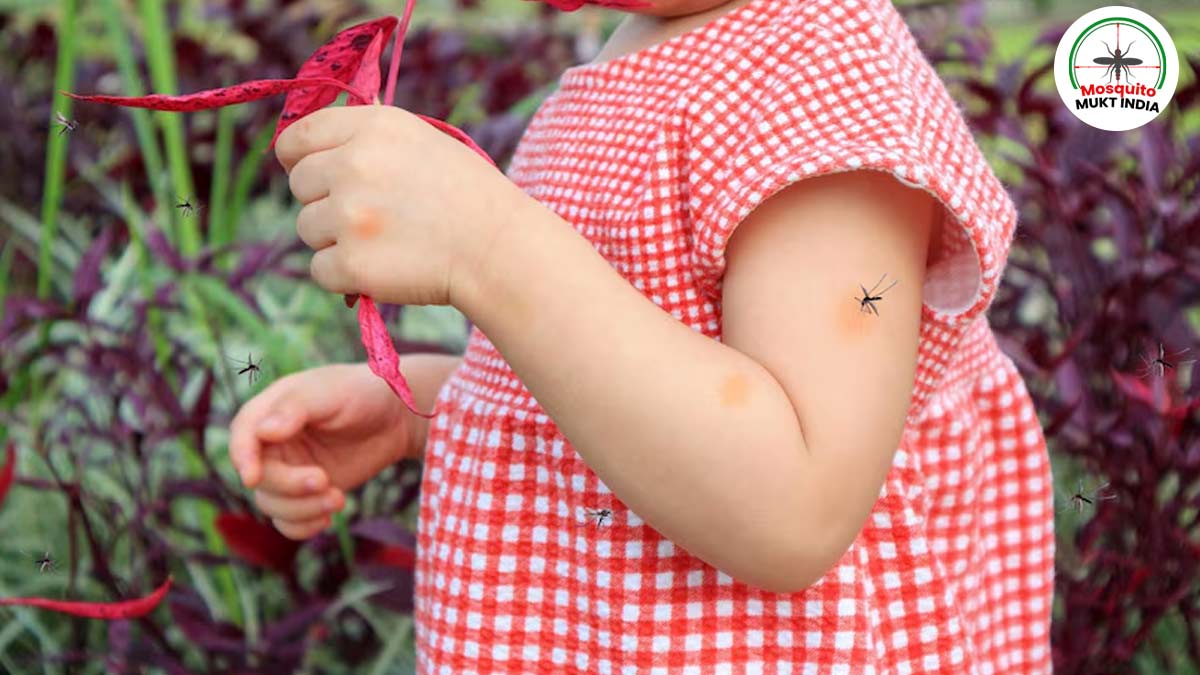
Outdoor Activities: Timing and Precautions
During early morning and late evening hours, mosquito activity tends to peak, increasing the risk of bites for children engaged in outdoor play. Scheduling outdoor activities outside these peak times reduces exposure to mosquitoes while allowing children to enjoy freedom safely.
When timing cannot be adjusted, simple precautions are effective: dressing children in lightweight, long-sleeved clothing and pants minimizes skin exposure. Using mosquito nets or portable screens can create protected play areas. Select outdoor locations away from standing water, where mosquitoes breed. Applying child-safe insect repellents according to guidelines further lowers risk.
Balancing outdoor freedom with these practical measures guarantees children can explore and play while limiting mosquito encounters. Awareness of local mosquito activity patterns helps caregivers make informed decisions about timing and locations for outdoor fun.
Recognizing and Managing Mosquito Bite Reactions in Children
Identifying mosquito bite reactions in children is essential for timely and appropriate care. Most bites cause mild itching and redness, but some children may experience more intense symptoms requiring attention.
Key signs to watch include:
- Excessive swelling or redness extending beyond the bite site
- Persistent itching that disrupts sleep or daily activities
- Signs of infection such as pus, increased warmth, or fever
Managing reactions involves gentle cleaning of the area, applying cool compresses, and using child-safe anti-itch creams. Avoiding scratching is critical to prevent infection.
In cases of severe allergic reactions or infection, medical evaluation is necessary. Empowering caregivers with knowledge allows children to enjoy outdoor freedom while minimizing discomfort and complications from mosquito bites.
Conclusion
Protecting babies and children from mosquito bites requires a thorough approach, including selecting safe and effective repellents, dressing children to limit skin exposure, and maintaining a mosquito-free home environment. Timing outdoor activities to avoid peak mosquito hours further reduces risk. Additionally, caregivers should be vigilant in recognizing and managing any adverse reactions to bites. Through these combined strategies, the well-being and comfort of young children can be better guaranteed against mosquito-related discomfort and potential health risks.